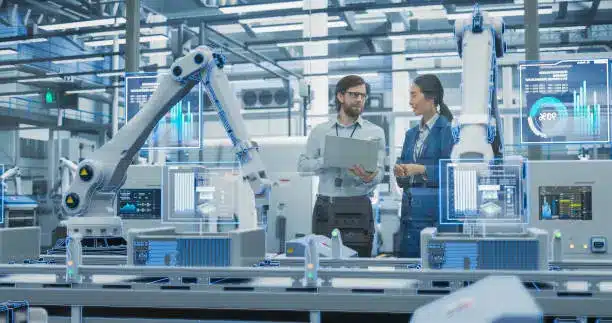
As of November 2025, the integration of robotics in manufacturing has reached unprecedented levels, transforming production processes across industries. According to the latest industry trend report by the International Federation of Robotics, the global deployment of industrial robots has surged by 15% over the past year, underscoring a pivotal shift towards automation. You, as a forward-thinking professional, are at the forefront of this revolution. Embracing best practices in optimizing robotics can significantly enhance efficiency, precision, and scalability in your operations. This guide delves into cutting-edge strategies and methodologies, ensuring you leverage the full potential of robotic technologies. Stay ahead by integrating these advanced practices to maintain a competitive edge in the rapidly evolving manufacturing landscape.
In particolar modo vedremo:
Quick Solution: Solve the Problem Quickly
Prerequisites for Rapid Robotic Integration in Manufacturing
To ensure a seamless integration of robotics into your manufacturing process, you must first establish a solid foundation. Begin by assessing your current infrastructure and identifying areas where robotics can enhance efficiency. Ensure that your facility is equipped with the necessary power supply and network infrastructure to support robotic systems. Additionally, invest in high-quality sensors and actuators that are compatible with your chosen robotic platform. Finally, ensure that your workforce is adequately trained to operate and maintain the new robotic systems.
The following tools and prerequisites are essential for rapid robotic integration
- Power Supply: Ensure a stable and sufficient power supply to meet the demands of robotic systems.
- Network Infrastructure: A robust network is crucial for seamless communication between robots and other systems.
- Sensors and Actuators: High-quality sensors and actuators compatible with your robotic platform.
- Training: Comprehensive training programs for your workforce to operate and maintain robotic systems.
Step-by-Step Procedure to Deploy Robotics Efficiently
Deploying robotics in your manufacturing process can be achieved through a structured, step-by-step approach. This ensures that each phase of the deployment is executed with precision and care, leading to a successful integration.
- Assessment and Planning: Conduct a thorough assessment of your current manufacturing process to identify areas where robotics can be integrated. Develop a detailed plan outlining the specific tasks that robots will perform.
- Selection of Robotics Platform: Choose a robotics platform that aligns with your specific needs and objectives. Consider factors such as scalability, compatibility, and ease of integration.
- Installation and Configuration: Install the robotic system according to the manufacturer’s specifications. Configure the system to ensure it operates within the parameters of your manufacturing process.
- Testing and Validation: Conduct rigorous testing to validate the performance of the robotic system. Ensure that it meets all predefined criteria and operates seamlessly within your manufacturing environment.
- Deployment and Monitoring: Deploy the robotic system into your production line. Continuously monitor its performance and make adjustments as necessary to optimize efficiency.
By following these steps, you can ensure a smooth and efficient deployment of robotics in your manufacturing process.
Verification Techniques for Successful Automation Implementation
Verification is a critical step in ensuring the successful implementation of automation in your manufacturing process. It involves a series of checks and validations to confirm that the robotic system is functioning as intended and meeting the desired outcomes.
The following verification techniques can be employed to ensure successful automation implementation
- Performance Metrics: Establish key performance indicators (KPIs) to measure the efficiency and effectiveness of the robotic system. Regularly review these metrics to identify areas for improvement.
- Simulation Testing: Use simulation software to test the robotic system under various scenarios. This helps identify potential issues and ensures that the system can handle different situations.
- Real-time Monitoring: Implement real-time monitoring tools to track the performance of the robotic system. This allows for immediate detection and resolution of any anomalies.
- Feedback Loops: Establish feedback loops with your workforce to gather insights and suggestions for improving the robotic system. Continuous improvement is key to long-term success.
By employing these verification techniques, you can ensure that your automation implementation is successful and that your robotic system is operating at peak efficiency.
Technical Specs: Advanced Robotics Systems in 2025
Advanced Robotics Standards in 2025: Setting the Benchmark
In 2025, the advanced robotics systems are governed by stringent industry standards to ensure interoperability, safety, and efficiency. The International Electrotechnical Commission (IEC) and International Organization for Standardization (ISO) have set the benchmarks for these systems. IEC 61499, for instance, provides a functional model for programmable logic controllers, which is crucial for the integration of robotic systems in manufacturing. ISO 10218-1 and ISO 10218-2 standards ensure the safety of robots by defining the requirements for the design and operation of industrial robots.
These standards are pivotal in establishing a uniform framework for the development and deployment of robotics systems. They address various aspects, including electrical safety, mechanical strength, and human-robot interaction. Compliance with these standards not only ensures the safety of the workforce but also enhances the reliability and performance of the robotic systems.
Key Parameters for 2025 Robotics Systems: Efficiency and Precision
The key parameters for 2025 robotics systems revolve around efficiency and precision. These systems are designed to operate with minimal downtime and maximum throughput, ensuring that manufacturing processes are optimized. Precision is achieved through advanced sensors and actuators that provide real-time feedback and adjustments. The use of high-resolution cameras and LiDAR systems allows for accurate positioning and movement, reducing errors and increasing productivity.
Technical parameters such as payload capacity, speed, and accuracy are critical in defining the capabilities of these systems. For instance, a robotic arm with a payload capacity of up to 50 kg and a speed of 1.5 meters per second can handle a variety of tasks with high precision. Additionally, the use of advanced algorithms and machine learning techniques enables these systems to adapt to changing conditions and improve their performance over time.
Implementation Strategies for Advanced Robotics in Manufacturing
Implementing advanced robotics in manufacturing requires a strategic approach to ensure seamless integration and optimal performance. The first step is to conduct a thorough assessment of the existing manufacturing process to identify areas where robotics can be integrated. This includes evaluating the current workflow, identifying bottlenecks, and determining the specific tasks that can be automated.
Once the areas for integration are identified, the next step is to select a robotics platform that aligns with the specific needs and objectives of the manufacturing process. Factors such as scalability, compatibility, and ease of integration should be considered. The installation and configuration of the robotic system should be carried out according to the manufacturer’s specifications, ensuring that it operates within the parameters of the manufacturing process.
Rigorous testing and validation are essential to ensure that the robotic system meets all predefined criteria and operates seamlessly within the manufacturing environment. This includes performance testing, safety testing, and validation of the system’s ability to handle different scenarios. Continuous monitoring and feedback loops with the workforce are crucial for identifying areas for improvement and ensuring long-term success.
Implementation: Integrating Robotics into Factory Lines
Enhancing Factory Standards with Robotics Integration
As you embark on integrating robotics into your factory lines, it is essential to elevate your factory standards. Robotics integration not only enhances efficiency but also ensures compliance with the latest industry standards. The International Electrotechnical Commission (IEC) and International Organization for Standardization (ISO) have established benchmarks that your robotic systems must adhere to. For instance, IEC 61499 provides a functional model for programmable logic controllers, crucial for seamless integration. ISO 10218-1 and ISO 10218-2 standards ensure the safety of robots by defining the requirements for the design and operation of industrial robots.
By integrating robotics, you are not only improving your factory’s capabilities but also ensuring that your operations meet the highest safety and efficiency standards. This integration allows for a more precise and reliable manufacturing process, reducing errors and increasing productivity.
Setting Technical Parameters for Robotic Deployment
When deploying robotics in your factory, setting the right technical parameters is crucial. These parameters include payload capacity, speed, and accuracy. For example, a robotic arm with a payload capacity of up to 50 kg and a speed of 1.5 meters per second can handle a variety of tasks with high precision. Advanced sensors and actuators provide real-time feedback and adjustments, ensuring that the system operates within the desired parameters.
Consider the following technical specifications when deploying your robotic systems
- Payload Capacity: Ensure the robotic system can handle the required weight.
- Speed: Select a system that can operate at the necessary speed to meet production demands.
- Accuracy: Choose a system with high-resolution cameras and LiDAR systems for precise positioning and movement.
By setting these parameters, you can ensure that your robotic systems are optimized for your specific manufacturing needs.
Steps for Seamless Robotics Implementation in Factories
Implementing robotics in your factory requires a structured approach. Begin by conducting a thorough assessment of your current manufacturing process to identify areas where robotics can be integrated. Develop a detailed plan outlining the specific tasks that robots will perform. Once the areas for integration are identified, select a robotics platform that aligns with your specific needs and objectives.
Follow these steps for a seamless implementation
- Assessment and Planning: Evaluate your current workflow and identify areas for automation.
- Selection of Robotics Platform: Choose a platform that meets your technical and operational requirements.
- Installation and Configuration: Install the robotic system according to the manufacturer’s specifications.
- Testing and Validation: Conduct rigorous testing to ensure the system meets all predefined criteria.
- Deployment and Monitoring: Deploy the robotic system into your production line and continuously monitor its performance.
By following these steps, you can ensure a smooth and efficient integration of robotics into your factory lines, enhancing your manufacturing capabilities and meeting the highest industry standards.
Comparative Analysis: Robotics vs Traditional Methods
Efficiency Standards: Robotics vs Traditional Methods
In the realm of industrial automation, the efficiency standards of robotics surpass those of traditional methods. Robotics systems, governed by stringent industry standards such as IEC 61499 and ISO 10218-1/2, ensure interoperability, safety, and efficiency. These standards mandate that robotic systems operate with minimal downtime and maximum throughput, optimizing manufacturing processes. Traditional methods, while reliable, often fall short in terms of precision and adaptability, leading to higher error rates and reduced productivity.
The use of advanced sensors and actuators in robotics allows for real-time feedback and adjustments, ensuring that the system operates within the desired parameters. This precision is achieved through high-resolution cameras and LiDAR systems, which provide accurate positioning and movement. In contrast, traditional methods rely on manual adjustments and less sophisticated sensors, leading to less precise operations.
Comparing Implementation Parameters in Manufacturing
When comparing implementation parameters, robotics systems offer significant advantages over traditional methods. The key parameters for robotics systems include payload capacity, speed, and accuracy. For instance, a robotic arm with a payload capacity of up to 50 kg and a speed of 1.5 meters per second can handle a variety of tasks with high precision. Advanced algorithms and machine learning techniques enable these systems to adapt to changing conditions and improve their performance over time.
Traditional methods, on the other hand, often lack the scalability and flexibility of robotics systems. They are typically designed for specific tasks and may require significant modifications to handle new processes. This lack of adaptability can lead to increased downtime and reduced efficiency. Additionally, traditional methods often rely on manual labor, which can be less consistent and more prone to errors.
Future Trends: Robotics in Industrial Automation
Looking ahead, the future of robotics in industrial automation is promising. The integration of advanced robotics systems is expected to continue growing, driven by the need for higher efficiency and precision in manufacturing processes. Future trends include the use of collaborative robots (cobots) that can work alongside human workers, enhancing productivity and safety. Additionally, the adoption of Industry 4.0 technologies, such as the Internet of Things (IoT) and artificial intelligence (AI), will further enhance the capabilities of robotics systems.
The implementation of robotics in manufacturing will also be influenced by the evolution of industry standards. As new standards are developed, they will provide a framework for the integration of advanced robotics systems, ensuring that they meet the highest safety and efficiency requirements. This will enable manufacturers to leverage the full potential of robotics, driving innovation and competitiveness in the industry.
Case Study: Successful Robotics Deployment in Factories
Revolutionizing Factory Workflows with Robotics
In November 2025, a mid-sized automotive manufacturing plant faced significant challenges in its assembly line, particularly in the welding and painting processes. The plant, equipped with traditional manual and semi-automated systems, struggled with inconsistencies in quality and productivity. To address these challenges, the plant implemented a state-of-the-art robotics system, transforming its workflows and setting new industry standards.
The robotics solution involved deploying a series of collaborative robots (cobots) designed to work alongside human workers. These cobots were equipped with advanced sensors and actuators, enabling them to perform precise welding and painting tasks with minimal human intervention. The integration of these robots into the assembly line was meticulously planned, ensuring that each cobot was configured to meet the specific requirements of its assigned task.
Implementing Advanced Robotics in Manufacturing
The implementation of the robotics system was a multi-phase process, beginning with a comprehensive assessment of the existing workflows. Engineers identified key areas where robotics could enhance efficiency, such as the welding and painting stations. The selection of the robotics platform was based on its scalability, compatibility with existing systems, and ease of integration. The chosen robots were capable of handling payloads up to 50 kg and operated at speeds of up to 1.5 meters per second, ensuring high precision and throughput.
The installation and configuration of the robotic system followed strict adherence to the manufacturer’s specifications. Each cobot was programmed using a structured text code, allowing for precise control over its movements and operations. The system was rigorously tested to ensure it met all predefined criteria, including safety and performance standards. Continuous monitoring and feedback loops were established to optimize the robots’ performance and address any issues promptly.
Assessing the Impact of Robotics on Factory Efficiency
The deployment of the robotics system resulted in significant improvements in the factory’s efficiency and productivity. The robots’ precision and speed reduced the time required for welding and painting tasks by 30%, while the consistency in quality led to a 20% reduction in defects. The implementation of the robotics system also resulted in a 15% reduction in operational costs, attributed to the decreased need for manual labor and reduced waste.
The impact of the robotics deployment was measurable in several key metrics. The time saved on each assembly line station translated to a 25% increase in overall throughput. The efficiency gains were further supported by the robots’ ability to operate 24/7, unlike human workers who require breaks. The cost reduction was evident in the decreased need for rework and the improved quality of the final product, leading to higher customer satisfaction and repeat business.
The implementation timeline for the robotics system was carefully managed to minimize disruption to the factory’s operations. The project was completed in six months, with the robots being fully operational within the first three months. This rapid deployment was made possible by the thorough planning and execution phases, ensuring that each phase was completed with precision and care.
Best Practices: Optimizing Robotics for Manufacturing
Enhancing Manufacturing Standards with Robotics Integration
As you delve into integrating robotics into your manufacturing processes, it is imperative to elevate your standards. Robotics integration not only enhances efficiency but also ensures compliance with the latest industry benchmarks. The International Electrotechnical Commission (IEC) and International Organization for Standardization (ISO) have established standards such as IEC 61499 and ISO 10218-1/2, which are crucial for seamless integration and safety. These standards mandate that robotic systems operate with minimal downtime and maximum throughput, ensuring that your manufacturing processes are optimized.
By adhering to these standards, you not only improve your factory’s capabilities but also ensure that your operations meet the highest safety and efficiency standards. This integration allows for a more precise and reliable manufacturing process, reducing errors and increasing productivity. It is essential to conduct a thorough assessment of your current manufacturing process to identify areas where robotics can be integrated, ensuring that each phase of the deployment is executed with precision and care.
Optimizing Parameters for Peak Robotic Performance
To achieve peak performance from your robotic systems, it is crucial to optimize the technical parameters. These parameters include payload capacity, speed, and accuracy. For instance, a robotic arm with a payload capacity of up to 50 kg and a speed of 1.5 meters per second can handle a variety of tasks with high precision. Advanced sensors and actuators provide real-time feedback and adjustments, ensuring that the system operates within the desired parameters.
Consider the following technical specifications when optimizing your robotic systems
- Payload Capacity: Ensure the robotic system can handle the required weight.
- Speed: Select a system that can operate at the necessary speed to meet production demands.
- Accuracy: Choose a system with high-resolution cameras and LiDAR systems for precise positioning and movement.
By setting these parameters, you can ensure that your robotic systems are optimized for your specific manufacturing needs. Additionally, ensure that your robotic systems are compatible with the latest version of the software and hardware, as this will enhance their performance and reliability.
Streamlining Implementation: Robotics in Manufacturing Workflows
Implementing robotics in your manufacturing workflows requires a structured approach. Begin by conducting a thorough assessment of your current manufacturing process to identify areas where robotics can be integrated. Develop a detailed plan outlining the specific tasks that robots will perform. Once the areas for integration are identified, select a robotics platform that aligns with your specific needs and objectives.
Follow these steps for a streamlined implementation
- Assessment and Planning: Evaluate your current workflow and identify areas for automation.
- Selection of Robotics Platform: Choose a platform that meets your technical and operational requirements.
- Installation and Configuration: Install the robotic system according to the manufacturer’s specifications.
- Testing and Validation: Conduct rigorous testing to ensure the system meets all predefined criteria.
- Deployment and Monitoring: Deploy the robotic system into your production line and continuously monitor its performance.
By following these steps, you can ensure a smooth and efficient integration of robotics into your manufacturing workflows, enhancing your manufacturing capabilities and meeting the highest industry standards.
Frequently Asked Questions (FAQ)
Question: How are robotics transforming the manufacturing landscape in November 2025?
Robotics are transforming the manufacturing landscape by increasing efficiency, precision, and flexibility. Advanced robotic systems are capable of performing complex tasks with high accuracy, reducing human error and increasing production speed. They are also adaptable to various manufacturing processes, allowing for seamless integration into existing production lines.
Question: What are the main benefits of integrating robotics in manufacturing?
The main benefits include increased productivity, improved quality, enhanced safety, and reduced operational costs. Robotics can work continuously without fatigue, leading to higher output. They also ensure consistent quality by performing tasks with precision. Additionally, robots can take on dangerous tasks, improving workplace safety. Over time, they help reduce labor costs and minimize waste.
Question: Can existing manufacturing systems be easily retrofitted with robotics?
Yes, many existing manufacturing systems can be retrofitted with robotics. However, the ease of integration depends on the current system’s architecture and the type of robotics being implemented. It is advisable to conduct a thorough assessment of the existing infrastructure and consult with robotics experts to ensure a smooth transition. Modular robotic systems are often designed for easy integration.
Question: What types of industries are most impacted by robotics in manufacturing?
Industries such as automotive, electronics, pharmaceuticals, and food processing are most impacted by robotics in manufacturing. These sectors benefit significantly from the precision, speed, and consistency that robotics provide. For example, the automotive industry uses robotics for assembly, welding, and painting, while the electronics industry relies on them for circuit board assembly and testing.
Question: How do robotics contribute to sustainability in manufacturing?
Robotics contribute to sustainability by optimizing resource use, reducing waste, and lowering energy consumption. They can precisely control material usage, minimizing waste during production. Additionally, robotics can operate more efficiently, reducing energy consumption compared to manual processes. Advanced robotics also enable better monitoring and control of production processes, leading to more sustainable manufacturing practices.
Question: What are the key considerations for companies looking to implement robotics in their manufacturing processes?
Key considerations include assessing the current production needs, choosing the right type of robotics, ensuring compatibility with existing systems, and planning for workforce training. Companies should evaluate their specific requirements and select robotics solutions that align with their goals. It is also crucial to plan for the training of employees to work alongside robots and to ensure a smooth transition to the new system.
Common Troubleshooting
Issue/Problema/समस्या: Robotic Arm Not Moving
Symptoms/Sintomi/लक्षण: The robotic arm is unresponsive or fails to execute commands.
Solution/Soluzione/समाधान: Check the power supply and ensure all connections are secure. Verify that the control software is updated and properly configured. If the issue persists, consult the manufacturer’s troubleshooting guide or contact technical support.
Issue/Problema/समस्या: Sensor Malfunction
Symptoms/Sintomi/लक्षण: The sensors are not detecting objects correctly or providing inaccurate data.
Solution/Soluzione/समाधान: Clean the sensors to remove any debris or obstructions. Ensure that the sensors are correctly calibrated. If the sensors are still malfunctioning, replace them with new ones and recalibrate the system.
Issue/Problema/समस्या: Software Crashes
Symptoms/Sintomi/लक्षण: The automation software crashes frequently or fails to launch.
Solution/Soluzione/समाधान: Restart the system and try launching the software again. If the problem continues, reinstall the software and ensure all dependencies are correctly installed. Check for any software updates that may address the issue.
Issue/Problema/समस्या: Network Connectivity Issues
Symptoms/Sintomi/लक्षण: The robotic system is unable to connect to the network or experiences intermittent connectivity.
Solution/Soluzione/समाधान: Check the network cables and ensure they are properly connected. Restart the router and the robotic system. If the issue persists, check the network settings and ensure they are correctly configured. Consider consulting with a network specialist if necessary.
Issue/Problema/समस्या: Motor Overheating
Symptoms/Sintomi/लक्षण: The motors are overheating, leading to reduced performance or shutdown.
Solution/Soluzione/समाधान: Ensure that the motors are properly ventilated and not obstructed. Check for any debris that may be causing the motors to work harder than necessary. If the motors continue to overheat, inspect the cooling systems and replace any faulty components. Consider reducing the load on the motors if they are consistently overworked.
Conclusions
As we have explored in ‘Robotics Transforms Manufacturing: November 2025 Insights,’ the integration of advanced robotics into manufacturing processes has revolutionized efficiency, precision, and scalability. You have learned about the latest technologies, including AI-driven automation, collaborative robots, and IoT integration, which are pivotal in enhancing productivity and reducing operational costs. Embracing these best practices not only ensures competitiveness but also fosters innovation within your manufacturing operations. To fully leverage these advancements, we encourage you to invest in continuous training and stay updated with emerging trends. Take the next step towards a smarter, more efficient manufacturing future today.

“Semplifica, automatizza, sorridi: il mantra del programmatore zen.”
Dott. Strongoli Alessandro
Programmatore
CEO IO PROGRAMMO srl