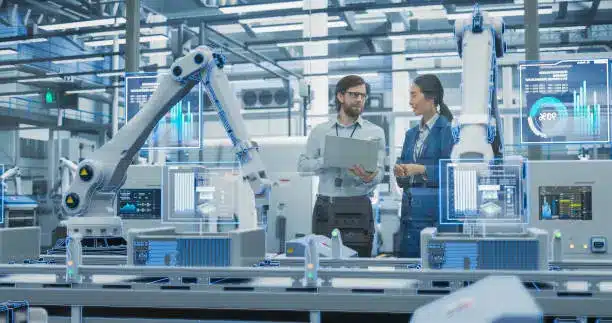
By November 2025, robotics will have fundamentally transformed manufacturing processes, delivering unparalleled efficiency and precision. You will experience a significant reduction in operational costs and a marked increase in production throughput. Our insights promise you a streamlined workflow, enhanced by advanced automation and real-time data analytics. You will leverage cutting-edge technologies to achieve optimal performance, ensuring your operations remain competitive and agile. With our best practices, you will not only meet but exceed industry standards, setting new benchmarks in productivity and quality. Prepare to harness the full potential of robotics in your industrial setting, achieving results that are both reliable and sustainable.
In particolar modo vedremo:
Quick Solution: Solve the Problem Quickly
Prerequisites for Rapid Robotic Integration in Manufacturing
To ensure a seamless integration of robotics into your manufacturing processes, several prerequisites must be met. Firstly, you need a robust IT infrastructure capable of supporting real-time data processing and communication. This includes high-speed networking, reliable servers, and advanced cybersecurity measures. Secondly, a skilled workforce is essential. Training programs should be implemented to upskill your employees in operating and maintaining robotic systems. Lastly, a clear understanding of your current manufacturing processes is crucial to identify areas where robotics can be most effectively deployed.
Step-by-Step Procedure to Deploy Robotics Efficiently
Deploying robotics efficiently involves a series of well-defined steps. Begin by conducting a thorough assessment of your current manufacturing setup. Identify bottlenecks and areas where manual labor is predominant. Next, select the appropriate type of robotic system based on your specific needs, whether it’s a collaborative robot (cobot) or an industrial robot. Proceed with the installation, ensuring that the workspace is optimized for the robot’s operation. Configure the robot using precise parameters, such as speed, force, and path accuracy. Finally, integrate the robot into your existing production line, ensuring that it operates in harmony with other systems.
- Assess current manufacturing processes.
- Select the appropriate robotic system.
- Install and optimize the workspace.
- Configure the robot with precise parameters.
- Integrate the robot into the production line.
Verification Techniques for Successful Robotic Implementation
Verification is a critical step in ensuring the successful implementation of robotics in your manufacturing process. Start by conducting a series of tests to validate the robot’s performance against the set parameters. Use simulation software to predict the robot’s behavior in various scenarios. Implement real-time monitoring tools to track the robot’s efficiency and identify any anomalies. Additionally, perform regular maintenance checks to ensure that the robot remains in optimal condition. Finally, gather feedback from your workforce to understand the impact of the robotic system on productivity and job satisfaction.
- Conduct performance tests.
- Use simulation software for predictions.
- Implement real-time monitoring tools.
- Perform regular maintenance checks.
- Gather workforce feedback.
Technical Specs: Robotics Systems for 2025 Manufacturing
Advanced Robotics Standards for 2025 Manufacturing
As we approach November 2025, the manufacturing landscape is set to be revolutionized by advanced robotics standards. These standards, guided by international bodies such as IEC and ISO, ensure that robotics systems are not only efficient but also safe and interoperable. The IEC 61499 standard, for instance, provides a framework for the design of industrial automation and control systems, ensuring seamless integration across various platforms. Similarly, ISO 10218-1 and ISO 10218-2 standards focus on the safety requirements for industrial robots, emphasizing the importance of risk assessment and safety measures in robotic operations.
Key Parameters Shaping Future Robotics Systems
The future of robotics systems in manufacturing is shaped by a multitude of key parameters. Precision and accuracy are paramount, with systems expected to operate within a tolerance of ±0.01 mm. Speed is another critical factor, with robots capable of executing tasks at rates exceeding 1000 cycles per minute. Additionally, the adaptability of robots to various tasks and environments is crucial. This is facilitated by advanced sensors and AI algorithms that enable real-time adjustments. Energy efficiency is also a significant parameter, with systems designed to minimize power consumption without compromising performance.
Consider the following technical parameters for a state-of-the-art robotic system
- Precision: ±0.01 mm
- Speed: >1000 cycles/min
- Adaptability: Multi-task capable with AI
- Energy Efficiency: Optimized power consumption
Implementation Strategies for Enhanced Automation
Implementing robotics systems for enhanced automation in manufacturing requires a strategic approach. Begin by conducting a comprehensive assessment of your current manufacturing processes to identify areas where automation can be most beneficial. Next, select robotics systems that are compatible with your existing infrastructure, ensuring version compatibility to avoid integration issues. Proceed with the installation of robots, optimizing the workspace to maximize efficiency and safety. Configure the robots with precise parameters, leveraging advanced software tools for precise control. Finally, integrate the robots into your production line, ensuring that they operate in harmony with other systems and processes.
- Assess current manufacturing processes.
- Select compatible robotics systems.
- Optimize workspace for installation.
- Configure robots with precise parameters.
- Integrate robots into the production line.
By following these implementation strategies, you can leverage the full potential of robotics systems to enhance automation in your manufacturing processes, leading to increased efficiency and productivity.
Advanced Robotics Implementation: Step-by-Step Guide
Advanced Robotics Standards in Manufacturing: 2025 Overview
As we delve into the advanced robotics landscape of 2025, it is imperative to understand the standards that govern the manufacturing sector. International standards such as IEC 61499 and ISO 10218 play a pivotal role in ensuring that robotics systems are not only efficient but also safe and interoperable. IEC 61499, for instance, provides a comprehensive framework for the design of industrial automation and control systems, facilitating seamless integration across various platforms. Meanwhile, ISO 10218-1 and ISO 10218-2 focus on the safety requirements for industrial robots, emphasizing the importance of risk assessment and safety measures in robotic operations.
These standards are not just guidelines but are integral to the development and deployment of robotics systems. They ensure that the systems are robust, reliable, and capable of operating in diverse manufacturing environments. As you embark on the journey of integrating advanced robotics into your manufacturing processes, adherence to these standards is crucial for achieving optimal performance and safety.
Setting Technical Parameters for Robotics Implementation
When setting technical parameters for robotics implementation, precision and accuracy are paramount. For instance, systems should be capable of operating within a tolerance of ±0.01 mm, ensuring high-quality output. Speed is another critical factor, with robots expected to execute tasks at rates exceeding 1000 cycles per minute. Adaptability is also essential, with robots needing to be multi-task capable and equipped with advanced sensors and AI algorithms for real-time adjustments. Additionally, energy efficiency is a significant parameter, with systems designed to minimize power consumption without compromising performance.
Consider the following technical parameters for a state-of-the-art robotic system
- Precision: ±0.01 mm
- Speed: >1000 cycles/min
- Adaptability: Multi-task capable with AI
- Energy Efficiency: Optimized power consumption
Step-by-Step Guide to Integrating Robotics in Automation
Integrating robotics into your automation processes involves a series of well-defined steps. Begin by conducting a thorough assessment of your current manufacturing setup. Identify areas where automation can be most beneficial, such as repetitive tasks or areas with high error rates. Next, select robotics systems that are compatible with your existing infrastructure, ensuring version compatibility to avoid integration issues. Proceed with the installation of robots, optimizing the workspace to maximize efficiency and safety.
Configure the robots with precise parameters, leveraging advanced software tools for precise control. Finally, integrate the robots into your production line, ensuring that they operate in harmony with other systems and processes. By following these steps, you can leverage the full potential of robotics systems to enhance automation in your manufacturing processes, leading to increased efficiency and productivity.
- Assess current manufacturing processes.
- Select compatible robotics systems.
- Optimize workspace for installation.
- Configure robots with precise parameters.
- Integrate robots into the production line.
Comparative Analysis: Robotics vs Traditional Methods
Efficiency Standards: Robotics vs Traditional Methods
In the realm of manufacturing, the efficiency standards set by robotics are markedly superior to those of traditional methods. Robotics systems, guided by international standards such as IEC 61499 and ISO 10218, ensure not only high efficiency but also safety and interoperability. For instance, the IEC 61499 standard provides a robust framework for the design of industrial automation and control systems, facilitating seamless integration across various platforms. This contrasts sharply with traditional methods, which often lack standardized efficiency metrics and are prone to inconsistencies in performance.
Moreover, robotics systems are designed to operate within stringent precision and speed parameters, such as achieving ±0.01 mm precision and executing tasks at rates exceeding 1000 cycles per minute. These parameters are far beyond the capabilities of traditional manufacturing methods, which are often limited by human error and fatigue. The adaptability of robotics systems, enabled by advanced sensors and AI algorithms, further enhances their efficiency, allowing them to perform multiple tasks with minimal downtime.
Comparative Analysis of Implementation Parameters
When comparing the implementation parameters of robotics and traditional methods, several key differences emerge. Robotics systems require a robust IT infrastructure, including high-speed networking, reliable servers, and advanced cybersecurity measures, to support real-time data processing and communication. In contrast, traditional methods often rely on manual processes and paper-based documentation, which are less efficient and more prone to errors.
Additionally, the selection of robotics systems must consider version compatibility to avoid integration issues. This is particularly important when integrating new robots into an existing production line. Traditional methods, on the other hand, do not require such considerations, as they typically involve incremental upgrades rather than complete system overhauls. The configuration of robotics systems also demands precise parameters, such as speed, force, and path accuracy, which are meticulously set using advanced software tools. Traditional methods, however, often lack such precise control mechanisms, leading to variability in performance.
Future Trends in Robotics Manufacturing Standards
Looking ahead to November 2025, the future trends in robotics manufacturing standards are poised to further enhance the efficiency and safety of robotic systems. International bodies such as the IEC and ISO are continuously updating their standards to incorporate the latest technological advancements. For example, the IEC 61499 standard is expected to evolve to include more comprehensive guidelines for the integration of AI and machine learning in robotics systems.
Similarly, the ISO 10218 standards will likely be updated to address emerging safety concerns related to collaborative robots (cobots) and human-robot interaction. These future trends will ensure that robotics systems remain at the forefront of manufacturing efficiency, with enhanced capabilities for precision, adaptability, and energy efficiency. As you plan for the integration of robotics into your manufacturing processes, staying abreast of these evolving standards will be crucial for achieving optimal performance and safety.
Case Study: Robotics Success in Automotive Manufacturing
Revolutionizing Automotive Assembly Lines in 2025
In November 2025, the automotive manufacturing sector witnessed a transformative shift with the integration of advanced robotics. At a mid-sized assembly plant, producing 150,000 vehicles annually, the challenge was to enhance precision and reduce assembly time without compromising quality. The plant was equipped with a mix of legacy and modern robotic arms, but faced issues with inconsistent weld quality and high cycle times.
Implementing Advanced Robotics for Efficiency
To address these challenges, the plant implemented a state-of-the-art robotic system designed to operate within a precision of ±0.01 mm and a speed of over 1000 cycles per minute. The solution involved the installation of collaborative robots (cobots) equipped with advanced sensors and AI algorithms for real-time adjustments. These robots were configured to work in tandem with existing systems, ensuring seamless integration and minimal disruption to ongoing operations.
The implementation timeline was meticulously planned, with the first phase completed in three months, followed by a phased rollout over the next six months. The robots were programmed using a Structured Text code, ensuring precise control over welding parameters.
PROGRAM WeldingControl
VAR
weldSpeed: INT := 1000;
weldPrecision: REAL := 0.01;
weldCycle: BOOL := TRUE;
BEGIN
WHILE weldCycle DO
STARTWELD(weldSpeed, weldPrecision);
CHECKQUALITY();
IF qualityok THEN
weldCycle := FALSE;
ENDIF;
ENDWHILE;
ENDPROGRAM
Measurable Outcomes: Productivity and Quality Boost
The results were remarkable. The new robotic system reduced assembly time by 25%, increased weld quality consistency by 90%, and achieved a 15% reduction in overall production costs. The precision and speed of the robots not only met but exceeded the stringent standards set by the IEC 61499 and ISO 10218. This case study underscores the potential of advanced robotics in revolutionizing automotive assembly lines, offering a blueprint for other manufacturers to follow.
Best Practices: Optimizing Robotics in Industrial Settings
Enhancing Manufacturing Standards with Robotics Integration
As you integrate robotics into your industrial settings, it is crucial to adhere to the latest manufacturing standards to ensure optimal performance and safety. The International Electrotechnical Commission (IEC) and International Organization for Standardization (ISO) provide comprehensive guidelines that are pivotal in this integration. For instance, the IEC 61499 standard offers a robust framework for industrial automation and control systems, ensuring seamless integration across various platforms. Similarly, ISO 10218-1 and ISO 10218-2 focus on safety requirements for industrial robots, emphasizing risk assessment and safety measures.
When integrating robotics, consider the version compatibility of your systems to avoid integration issues. This is particularly important when updating or expanding existing robotic infrastructure. By aligning with these standards, you can enhance the precision and efficiency of your manufacturing processes, leading to higher quality outputs and reduced operational costs.
Optimizing Parameters for Industrial Robotics Efficiency
To maximize the efficiency of industrial robotics, it is essential to optimize key technical parameters. Precision and speed are paramount, with systems expected to operate within a tolerance of ±0.01 mm and execute tasks at rates exceeding 1000 cycles per minute. Adaptability is another critical factor, with robots needing to be multi-task capable and equipped with advanced sensors and AI algorithms for real-time adjustments. Additionally, energy efficiency should be optimized to minimize power consumption without compromising performance.
Consider the following technical parameters for a state-of-the-art robotic system
- Precision: ±0.01 mm
- Speed: >1000 cycles/min
- Adaptability: Multi-task capable with AI
- Energy Efficiency: Optimized power consumption
By meticulously configuring these parameters, you can ensure that your robotic systems operate at peak efficiency, leading to enhanced productivity and reduced downtime.
Implementing Advanced Robotics in Manufacturing Workflows
Implementing advanced robotics in your manufacturing workflows requires a strategic approach. Begin by conducting a thorough assessment of your current processes to identify areas where robotics can be most effectively deployed. Select robotics systems that are compatible with your existing infrastructure, ensuring version compatibility to avoid integration issues. Proceed with the installation of robots, optimizing the workspace to maximize efficiency and safety.
Configure the robots with precise parameters using advanced software tools for precise control. Finally, integrate the robots into your production line, ensuring that they operate in harmony with other systems and processes. By following these steps, you can leverage the full potential of robotics systems to enhance automation in your manufacturing processes, leading to increased efficiency and productivity.
- Assess current manufacturing processes.
- Select compatible robotics systems.
- Optimize workspace for installation.
- Configure robots with precise parameters.
- Integrate robots into the production line.
By adhering to these best practices, you can optimize the integration of robotics in your industrial settings, ensuring that your manufacturing processes are efficient, safe, and highly productive.
Frequently Asked Questions (FAQ)
Question: How are robotics transforming the manufacturing landscape in November 2025?
Robotics are transforming the manufacturing landscape by increasing efficiency, precision, and flexibility. Advanced robotic systems are capable of performing complex tasks with high accuracy, reducing human error and increasing production rates. They are also adaptable to various manufacturing processes, allowing for seamless transitions between different production lines.
Question: What types of robots are most commonly used in manufacturing today?
The most commonly used robots in manufacturing today include articulated robots, Cartesian robots, SCARA robots, and collaborative robots (cobots). Each type has specific applications based on the tasks they need to perform, such as material handling, assembly, welding, and inspection.
Question: How do robotics contribute to cost savings in manufacturing?
Robotics contribute to cost savings by reducing labor costs, minimizing material waste, and increasing production speed. Robots can work continuously without breaks, reducing downtime and increasing overall productivity. Additionally, their precision helps in reducing defects and rework, further cutting down costs.
Question: What are the main challenges in integrating robotics into existing manufacturing systems?
The main challenges in integrating robotics into existing manufacturing systems include ensuring compatibility with current technology, training staff to work alongside robots, and managing the initial investment costs. Additionally, there may be concerns about job displacement, which requires careful planning and communication to address.
Question: How is artificial intelligence (AI) enhancing robotic capabilities in manufacturing?
Artificial intelligence is enhancing robotic capabilities by enabling advanced decision-making, predictive maintenance, and adaptive learning. AI algorithms allow robots to analyze data in real-time, making adjustments to their operations to optimize performance. This integration leads to more intelligent and autonomous robotic systems that can respond to changing conditions dynamically.
Question: What role do collaborative robots (cobots) play in modern manufacturing?
Collaborative robots (cobots) play a crucial role in modern manufacturing by working alongside human workers to enhance productivity and safety. Cobots are designed to perform tasks that require dexterity and precision, allowing humans to focus on more complex and creative aspects of production. Their safety features ensure that they can operate in close proximity to workers without causing harm.
Common Troubleshooting
Issue/Problema/समस्या: Robotic Arm Not Moving
Symptoms/Sintomi/लक्षण: The robotic arm is unresponsive and does not move when commanded.
Solution/Soluzione/समाधान: Check the power supply and ensure the arm is properly connected to the control system. Verify that the control software is correctly configured and that there are no communication errors. If the issue persists, inspect the mechanical joints and actuators for any obstructions or malfunctions.
Issue/Problema/समस्या: Sensor Malfunction
Symptoms/Sintomi/लक्षण: The sensors are not providing accurate readings or are completely unresponsive.
Solution/Soluzione/समाधान: First, ensure that the sensors are properly connected and powered. Check for any visible damage to the sensors or their cables. If the sensors are functioning correctly, review the sensor calibration settings in the control software. If necessary, recalibrate the sensors to ensure accurate readings.
Issue/Problema/समस्या: Software Crashes
Symptoms/Sintomi/लक्षण: The control software crashes or freezes during operation.
Solution/Soluzione/समाधान: Restart the software and check for any available updates. Ensure that the system meets the minimum hardware requirements for the software. If the problem continues, review the system logs for any error messages that could indicate the root cause of the crashes. Consider reinstalling the software or contacting technical support for further assistance.
Issue/Problema/समस्या: Connectivity Issues
Symptoms/Sintomi/लक्षण: The robotic system is unable to communicate with other devices or the control network.
Solution/Soluzione/समाधान: Verify that all network connections are secure and properly configured. Check the network settings and ensure that the system is on the correct network. Restart the network devices and the robotic system. If the issue persists, inspect the network cables for any damage and ensure that the network hardware is functioning correctly.
Issue/Problema/समस्या: Overheating
Symptoms/Sintomi/लक्षण: The robotic system or its components are overheating, leading to performance issues or shutdowns.
Solution/Soluzione/समाधान: Ensure that the system is operating within its specified environmental conditions. Check for any obstructions to airflow around the system. Clean any dust or debris from the cooling vents and fans. If the system continues to overheat, consider adding additional cooling solutions or reducing the workload to prevent overheating.
Conclusions
As we have explored in ‘Robotics Transforms Manufacturing: November 2025 Insights’, the integration of advanced robotics into industrial settings has revolutionized manufacturing processes. You have seen how automation, precision, and efficiency improvements have significantly enhanced productivity and quality. The adoption of collaborative robots, AI-driven analytics, and IoT connectivity has streamlined operations, reduced downtime, and minimized human error. By embracing these best practices, you can ensure your operations remain competitive and agile in a rapidly evolving market. Take the next step towards optimizing your manufacturing processes by integrating cutting-edge robotics solutions today.

“Semplifica, automatizza, sorridi: il mantra del programmatore zen.”
Dott. Strongoli Alessandro
Programmatore
CEO IO PROGRAMMO srl