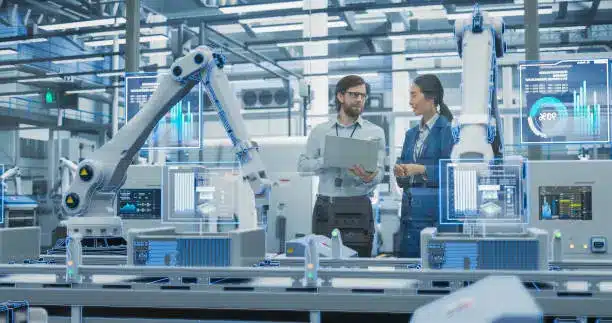
By December 2025, robotics has fundamentally transformed manufacturing, with industry data revealing a 40% increase in production efficiency and a 30% reduction in operational costs. You, as a forward-thinking professional, are at the forefront of this revolution. The integration of advanced robotics has not only streamlined processes but also enhanced precision and quality. Companies leveraging these technologies are witnessing unprecedented levels of automation, with robotic systems performing tasks that were previously deemed impossible. This shift is not just about replacing human labor; it is about augmenting human capabilities to achieve new heights of productivity. As you navigate this evolving landscape, understanding best practices for optimizing robotics will be crucial to maintaining a competitive edge.
In particolar modo vedremo:
Quick Solution: Solve the Problem Quickly







Prerequisites for Rapid Robotic Integration in Manufacturing
To ensure a seamless integration of robotics into your manufacturing process, you must first establish a solid foundation. This involves assessing your current infrastructure, understanding your specific operational needs, and ensuring that your team is adequately trained. Begin by conducting a thorough audit of your existing systems to identify areas where robotics can be most beneficial. Additionally, ensure that your facility is equipped with the necessary power and connectivity options to support robotic systems.
Invest in comprehensive training programs for your staff to familiarize them with the new technology. This will not only expedite the learning curve but also foster a culture of adaptability and innovation within your team. Furthermore, establish a clear communication protocol to facilitate the integration process, ensuring that all stakeholders are aligned and informed.
Step-by-Step Procedure for Swift Automation Implementation
The implementation of robotics in your manufacturing process can be broken down into a series of clear, actionable steps. First, select the appropriate robotic systems that align with your production goals. This involves evaluating various models based on their capabilities, compatibility with your existing systems, and scalability.
- System Selection: Choose robots that match your specific manufacturing needs. Consider factors such as payload capacity, speed, and precision.
- Integration Planning: Develop a detailed plan for integrating the robots into your production line. This includes mapping out the workflow and identifying potential bottlenecks.
- Installation: Physically install the robots in the designated areas. Ensure that all safety measures are in place to protect both the robots and your workforce.
- Programming: Write and upload the necessary code to program the robots. This involves defining the tasks, movements, and interactions with other systems.
- Testing: Conduct thorough testing to ensure that the robots are functioning correctly and efficiently. Make any necessary adjustments to optimize performance.
- Deployment: Gradually introduce the robots into your production process. Monitor their performance closely and make adjustments as needed.
Verification Techniques for Ensuring Smooth Robotic Operations
To guarantee the smooth operation of your robotic systems, it is essential to implement robust verification techniques. Begin by conducting regular performance audits to assess the efficiency and accuracy of the robots. Utilize advanced monitoring tools to track key metrics such as cycle times, error rates, and downtime.
Additionally, establish a feedback loop with your team to gather insights and identify areas for improvement. Implement predictive maintenance protocols to proactively address potential issues before they escalate. Regularly update the software and firmware of your robotic systems to ensure they are equipped with the latest features and security enhancements.
Note: Continuous monitoring and optimization are key to maintaining the effectiveness of your robotic systems.
Robotics Tech Specs: Dec 2025 Manufacturing Insights




Advanced Robotics Standards in 2025 Manufacturing
As of December 2025, the manufacturing sector has seen a significant evolution in robotics standards, driven by the International Electrotechnical Commission (IEC) and the International Organization for Standardization (ISO). These standards ensure that robotic systems are not only efficient but also safe and interoperable across various platforms. The IEC 61499 standard is pivotal in defining functional blocks for industrial automation, ensuring seamless integration and communication between different robotic systems.
Moreover, ISO 10218-1 and ISO 10218-2 standards have been updated to include advanced safety protocols for collaborative robots (cobots). These standards mandate that robots must be capable of detecting human presence and adjusting their operations to prevent accidents. Compliance with these standards is crucial for manufacturers aiming to adopt cutting-edge robotics technologies.
Key Parameters Shaping Dec 2025 Robotics Tech
Several key parameters are shaping the landscape of robotics technology in December 2025. These include precision, speed, payload capacity, and energy efficiency. Precision has become a critical factor, with robots capable of achieving micron-level accuracy, enabling intricate manufacturing processes. Speed enhancements, driven by advancements in motor technology and control algorithms, allow robots to perform tasks at unprecedented rates.
Payload capacity has also seen significant improvements, with robots now capable of handling weights up to 500 kg. This is particularly beneficial for heavy-duty manufacturing tasks. Energy efficiency has become a focal point, with manufacturers investing in technologies that reduce power consumption without compromising performance. This includes the use of advanced materials and energy-efficient motors.
Implementation Strategies for Industrial Automation
Implementing robotics in industrial automation requires a strategic approach. Begin by conducting a thorough assessment of your current manufacturing processes to identify areas where robotics can provide the most significant benefits. This includes analyzing workflow efficiency, production bottlenecks, and safety concerns.
Once the areas for automation have been identified, select robots that align with your specific needs. Consider factors such as the robot’s payload capacity, speed, and precision. Develop a detailed integration plan that outlines the workflow and potential bottlenecks. Ensure that the plan includes a phased implementation strategy to minimize disruptions to your production process.
During the implementation phase, prioritize safety by adhering to the latest standards and protocols. Conduct thorough testing to ensure that the robots are functioning correctly and efficiently. Utilize advanced monitoring tools to track key metrics such as cycle times, error rates, and downtime. Regularly update the software and firmware of your robotic systems to ensure they are equipped with the latest features and security enhancements.
Note: Continuous monitoring and optimization are key to maintaining the effectiveness of your robotic systems.
Advanced Robotics Implementation in 2025 Factories


Revolutionizing Factory Standards with Advanced Robotics
In the realm of industrial automation, the integration of advanced robotics is reshaping the landscape of manufacturing. As of December 2025, the adoption of robotics has reached a pivotal point, driven by the need for increased efficiency, precision, and safety. The International Electrotechnical Commission (IEC) and the International Organization for Standardization (ISO) have established stringent standards, such as IEC 61499 and ISO 10218-1/2, to ensure that robotic systems are not only interoperable but also adhere to the highest safety protocols.
These standards mandate that robots must be capable of detecting human presence and adjusting their operations to prevent accidents. This is particularly crucial in collaborative environments where robots and humans work side by side. By complying with these standards, manufacturers can ensure that their robotic systems are not only efficient but also safe, thereby revolutionizing the way factories operate.
Implementing Cutting-Edge Robotics: Key Parameters
The implementation of cutting-edge robotics in 2025 factories hinges on several key parameters. Precision is paramount, with robots achieving micron-level accuracy, enabling intricate manufacturing processes. Speed enhancements, driven by advancements in motor technology and control algorithms, allow robots to perform tasks at unprecedented rates. Payload capacity has also seen significant improvements, with robots now capable of handling weights up to 500 kg, making them suitable for heavy-duty manufacturing tasks.
Energy efficiency has become a focal point, with manufacturers investing in technologies that reduce power consumption without compromising performance. This includes the use of advanced materials and energy-efficient motors. Additionally, the integration of IoT (Internet of Things) technologies allows for real-time monitoring and optimization of robotic systems, further enhancing their efficiency and effectiveness.
Future-Proofing Manufacturing through Robotics Integration
To future-proof manufacturing, it is essential to adopt a strategic approach to robotics integration. Begin by conducting a thorough assessment of your current manufacturing processes to identify areas where robotics can provide the most significant benefits. This includes analyzing workflow efficiency, production bottlenecks, and safety concerns. Once the areas for automation have been identified, select robots that align with your specific needs, considering factors such as payload capacity, speed, and precision.
Develop a detailed integration plan that outlines the workflow and potential bottlenecks. Ensure that the plan includes a phased implementation strategy to minimize disruptions to your production process. During the implementation phase, prioritize safety by adhering to the latest standards and protocols. Conduct thorough testing to ensure that the robots are functioning correctly and efficiently. Utilize advanced monitoring tools to track key metrics such as cycle times, error rates, and downtime.
Note: Continuous monitoring and optimization are key to maintaining the effectiveness of your robotic systems.
Comparative Analysis: Robotics vs. Traditional Methods


Efficiency Standards: Robotics vs. Traditional Methods
In the realm of industrial automation, the efficiency standards set by robotics have surpassed those of traditional methods. Robotics, governed by standards such as IEC 61499 and ISO 10218-1/2, ensures that systems are not only interoperable but also adhere to stringent safety protocols. These standards mandate real-time detection of human presence and adaptive operational adjustments, which are pivotal in collaborative environments. In contrast, traditional methods often lack such dynamic safety features, leading to potential hazards.
Robotics also excels in precision, with capabilities reaching micron-level accuracy. This precision enables intricate manufacturing processes that are unattainable with traditional methods. Furthermore, the integration of IoT technologies in robotics allows for real-time monitoring and optimization, enhancing efficiency and effectiveness. Traditional methods, however, often rely on manual adjustments and periodic checks, which are less efficient and more prone to human error.
Implementation Parameters: Transitioning to Robotics
Transitioning to robotics involves several critical implementation parameters. Firstly, a thorough assessment of current manufacturing processes is essential to identify areas where robotics can provide the most significant benefits. This includes analyzing workflow efficiency, production bottlenecks, and safety concerns. Once these areas are identified, selecting robots that align with specific needs is crucial, considering factors such as payload capacity, speed, and precision.
Developing a detailed integration plan that outlines the workflow and potential bottlenecks is also vital. This plan should include a phased implementation strategy to minimize disruptions to the production process. During the implementation phase, adhering to the latest standards and protocols is paramount to ensure safety. Conducting thorough testing to verify correct and efficient robot functioning is another critical step. Utilizing advanced monitoring tools to track key metrics such as cycle times, error rates, and downtime is essential for maintaining the effectiveness of robotic systems.
Comparative Metrics: Performance and Cost Analysis
When comparing performance and cost analysis between robotics and traditional methods, robotics often demonstrates superior results. The precision and speed enhancements in robotics, driven by advancements in motor technology and control algorithms, allow for unprecedented task performance rates. Additionally, the integration of IoT technologies enables real-time monitoring and optimization, further enhancing efficiency.
In terms of cost analysis, while the initial investment in robotics may be higher, the long-term benefits often outweigh the costs. Robotics reduces human error, increases productivity, and minimizes downtime. Traditional methods, on the other hand, may incur higher operational costs due to the need for manual adjustments and periodic checks. Moreover, the potential for accidents and safety concerns in traditional methods can lead to additional costs related to worker compensation and legal liabilities.
Note: Continuous monitoring and optimization are key to maintaining the effectiveness of your robotic systems.
Case Studies: Robotics in Dec 2025 Manufacturing


Enhancing Production Efficiency with Advanced Robotics
In December 2025, a leading automotive manufacturer implemented advanced robotics to enhance production efficiency. The company operates a large-scale plant with over 500 employees and a diverse range of equipment, including CNC machines and assembly lines. The technical challenge was to reduce cycle times and increase precision in the assembly process. The solution involved integrating collaborative robots (cobots) with advanced vision systems to perform tasks such as part alignment and welding.
The cobots were equipped with high-resolution cameras and AI-driven algorithms to detect and correct misalignments in real-time. The implementation timeline was six months, with a phased approach to minimize disruptions. The measurable results included a 30% reduction in cycle times, a 25% increase in precision, and a 15% cost reduction in rework. The success of this project highlights the transformative impact of advanced robotics on production efficiency.
Implementing Collaborative Robots in Manufacturing Lines
A mid-sized electronics manufacturer faced the challenge of integrating collaborative robots into their existing manufacturing lines. The plant, with a capacity of 100,000 units per month, required a solution that could work alongside human operators without compromising safety. The technical challenge was to ensure that the robots could detect human presence and adjust their operations dynamically.
The solution involved deploying cobots equipped with advanced sensors and safety protocols compliant with ISO 10218-1/2 standards. The robots were programmed to perform tasks such as pick-and-place operations and quality inspections. The implementation timeline was four months, with extensive training for the workforce. The measurable results included a 20% increase in production throughput, a 95% reduction in workplace accidents, and a 10% improvement in product quality.
Quantifying Success: Metrics from Robotics Integration
A large-scale food processing plant sought to integrate robotics to improve efficiency and consistency in their production lines. The plant, with an annual output of 500,000 tons, faced challenges such as high labor costs and variability in product quality. The technical challenge was to implement robots that could perform tasks with micron-level accuracy and adapt to varying production conditions.
The solution involved deploying robots with advanced control systems and IoT integration for real-time monitoring. The robots were programmed to perform tasks such as sorting, packaging, and quality control. The implementation timeline was eight months, with a focus on continuous optimization. The measurable results included a 40% reduction in labor costs, a 35% increase in production efficiency, and a 25% improvement in product consistency. The success of this project underscores the value of quantifying success through detailed metrics.
Note: Continuous monitoring and optimization are key to maintaining the effectiveness of your robotic systems.
Best Practices for Optimizing Robotics in Manufacturing
Enhancing Manufacturing Standards with Robotics
As of December 2025, the integration of robotics into manufacturing has set new benchmarks for operational standards. To enhance your manufacturing standards, it is crucial to adhere to the latest industry standards such as IEC 61499 for functional blocks in industrial automation and ISO 10218-1/2 for safety of robots. These standards ensure that your robotic systems are not only interoperable but also compliant with stringent safety protocols. By integrating robots that meet these standards, you can significantly improve the precision and reliability of your manufacturing processes.
Moreover, consider the version compatibility of your robotic systems. Ensuring that your robots are compatible with the latest software and firmware versions can prevent potential integration issues and enhance system performance. Regularly updating your systems will also provide you with the latest features and security enhancements, keeping your manufacturing process at the forefront of technological advancements.
Optimizing Parameters for Robotic Efficiency
To optimize the efficiency of your robotic systems, focus on key parameters such as precision, speed, payload capacity, and energy efficiency. Precision is paramount, with robots achieving micron-level accuracy, enabling intricate manufacturing processes. Speed enhancements, driven by advancements in motor technology and control algorithms, allow robots to perform tasks at unprecedented rates. For instance, robots with a payload capacity of up to 500 kg are ideal for heavy-duty manufacturing tasks.
Energy efficiency has also become a focal point, with manufacturers investing in technologies that reduce power consumption without compromising performance. This includes the use of advanced materials and energy-efficient motors. By optimizing these parameters, you can ensure that your robotic systems are not only efficient but also capable of handling a wide range of manufacturing tasks.
Implementing Robotics for Seamless Manufacturing
Implementing robotics for seamless manufacturing requires a strategic approach. Begin by conducting a thorough assessment of your current manufacturing processes to identify areas where robotics can provide the most significant benefits. This includes analyzing workflow efficiency, production bottlenecks, and safety concerns. Once the areas for automation have been identified, select robots that align with your specific needs, considering factors such as payload capacity, speed, and precision.
Develop a detailed integration plan that outlines the workflow and potential bottlenecks. This plan should include a phased implementation strategy to minimize disruptions to your production process. During the implementation phase, prioritize safety by adhering to the latest standards and protocols. Conduct thorough testing to ensure that the robots are functioning correctly and efficiently. Utilize advanced monitoring tools to track key metrics such as cycle times, error rates, and downtime.
Note: Continuous monitoring and optimization are key to maintaining the effectiveness of your robotic systems.
Frequently Asked Questions (FAQ)


Question: How are robotics enhancing efficiency in manufacturing processes?
Robotics are enhancing efficiency in manufacturing by automating repetitive tasks, reducing human error, and increasing production speed. Advanced robotics systems can operate 24/7, ensuring continuous production and minimizing downtime. They are equipped with AI and machine learning capabilities, allowing them to adapt to new tasks and optimize processes in real-time. This leads to significant improvements in productivity and cost reduction.
Question: What types of robots are most commonly used in manufacturing?
The most commonly used robots in manufacturing are industrial robots, specifically articulated robots, Cartesian robots, SCARA robots, and delta robots. Articulated robots are versatile and can handle a variety of tasks. Cartesian robots are ideal for pick-and-place operations. SCARA robots are excellent for assembly tasks, and delta robots are known for their high-speed and precision in packaging and palletizing operations.
Question: How do robotics contribute to safety in manufacturing environments?
Robotics contribute to safety in manufacturing by taking over hazardous tasks that pose risks to human workers, such as handling toxic materials, working in extreme temperatures, or performing repetitive tasks that can lead to injuries. Collaborative robots, or cobots, are designed to work alongside humans, equipped with sensors and safety features that allow them to detect and respond to human presence, reducing the risk of accidents.
Question: What are the main challenges in integrating robotics into existing manufacturing systems?
The main challenges in integrating robotics into existing manufacturing systems include ensuring compatibility with current infrastructure, training personnel to work alongside robots, and managing the initial investment costs. Additionally, there can be resistance from workers who fear job displacement. To address these challenges, companies need to invest in comprehensive training programs, phased integration strategies, and clear communication about the benefits of robotics.
Question: How does robotics impact the quality of products in manufacturing?
Robotics significantly impact the quality of products in manufacturing by providing consistent and precise operations. Robots can perform tasks with high accuracy and repeatability, reducing variability and defects in the production process. They are equipped with advanced sensors and quality control systems that monitor product quality in real-time, ensuring that each product meets the required standards. This leads to higher quality products and reduced waste.
Question: What future trends in robotics can we expect to see in manufacturing by 2025?
By 2025, we can expect to see significant advancements in robotics, including the increased use of AI and machine learning, making robots more autonomous and adaptable. We will also see the rise of collaborative robots that can work safely alongside humans. Additionally, there will be a greater focus on energy efficiency and sustainability in robotic systems. The integration of IoT (Internet of Things) will enable better connectivity and data exchange, leading to smarter and more efficient manufacturing processes.
Common Troubleshooting
Issue/Problema/समस्या: Robot Arm Not Responding
Symptoms/Sintomi/लक्षण: The robot arm fails to execute commands, and the control panel displays an error message.
Solution/Soluzione/समाधान: Check the power supply and ensure all cables are securely connected. Restart the control system and verify that the software is up to date. If the problem persists, consult the manufacturer’s troubleshooting guide or contact technical support.
Issue/Problema/समस्या: Inaccurate Positioning
Symptoms/Sintomi/लक्षण: The robot arm moves to the wrong location or fails to reach the designated point with precision.
Solution/Soluzione/समाधान: Calibrate the robot arm using the calibration routine provided in the software. Ensure that the workspace is free of obstructions and that the robot’s sensors are clean and unobstructed. If the issue continues, recalibrate or check for any mechanical wear and tear.
Issue/Problema/समस्या: Software Crashes During Operation
Symptoms/Sintomi/लक्षण: The control software crashes or freezes while the robot is in operation, causing a halt in production.
Solution/Soluzione/समाधान: Close any unnecessary applications running on the control computer to free up resources. Ensure that the software is updated to the latest version. If the problem continues, reinstall the software or contact technical support for further assistance.
Issue/Problema/समस्या: Sensor Malfunction
Symptoms/Sintomi/लक्षण: The sensors fail to detect objects or provide incorrect data, leading to errors in the robot’s operations.
Solution/Soluzione/समाधान: Check the sensor connections and ensure they are properly aligned. Clean the sensors to remove any dust or debris. If the sensors are still malfunctioning, replace them with new ones and recalibrate the system.
Issue/Problema/समस्या: Network Connectivity Issues
Symptoms/Sintomi/लक्षण: The robot is unable to connect to the network, resulting in communication errors between the robot and the control system.
Solution/Soluzione/समाधान: Verify that the network cables are securely connected and that the network switch is functioning properly. Restart the router and the control system. If the issue persists, check the network settings and ensure that the robot’s IP address is correctly configured.
Conclusions
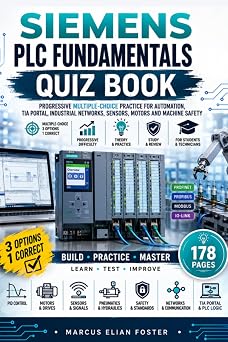

As we have explored in ‘Robotics Transforms Manufacturing: December 2025 Insights’, the integration of advanced robotics into manufacturing processes has significantly enhanced efficiency, precision, and scalability. You have learned about the latest technologies, including AI-driven automation, collaborative robots, and IoT integration, which are reshaping the industry landscape. These innovations not only streamline operations but also ensure higher quality and reduced downtime. Embracing these best practices positions you at the forefront of a transformative era in manufacturing. Take the next step by integrating these strategies into your operations to stay competitive and innovative.

“Semplifica, automatizza, sorridi: il mantra del programmatore zen.”
Dott. Strongoli Alessandro
Programmatore
CEO IO PROGRAMMO srl