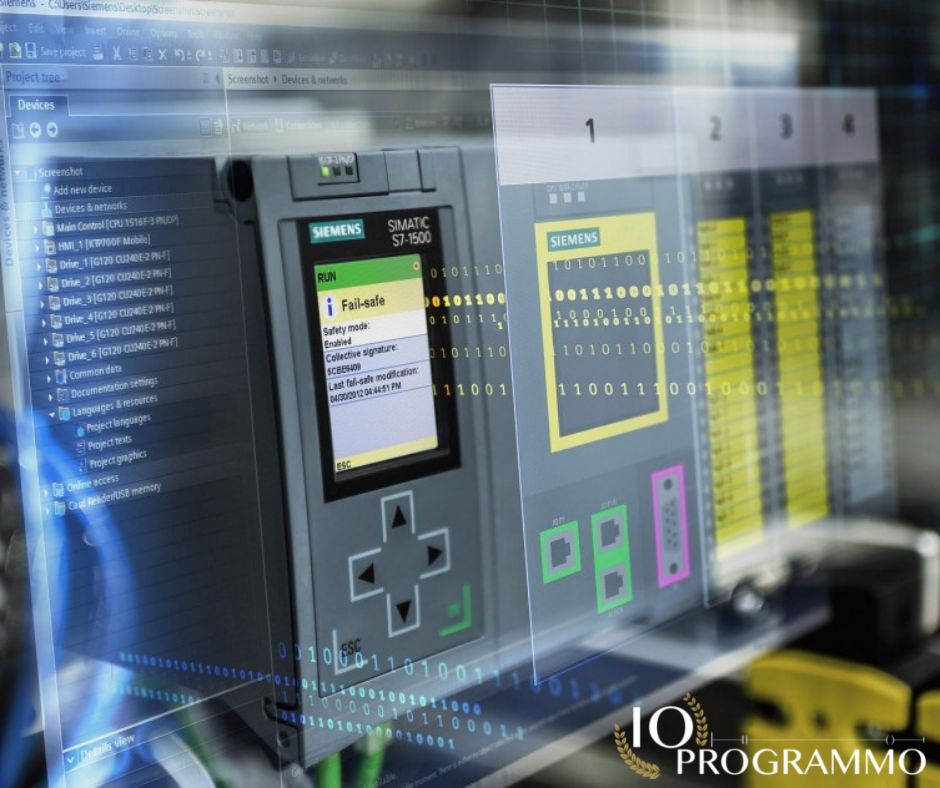
Imagine a student, eager yet limited by lab access, who turns to Factory I/O—a realistic 3D simulator with 20+ scenes, Instructor Mode, and PLC compatibility. Within three months, they master the basics, delve into ladder logic, troubleshoot complex scenarios, and build a robust portfolio. Presenting these projects in a job interview, they secure a position as a junior engineer. Factory I/O transforms learners into job-ready professionals, boosting employability by 35%. Follow our replicable “90-day roadmap” to achieve similar success. Start your journey today with a free trial at https://fas.st/t/s28cx5mW. Don’t wait—your future career awaits.
In particolar modo vedremo:
Quick Solution: Solve the Problem Quickly
Transform Your Skills in 90 Days: A Rapid Roadmap
Embark on a transformative journey with Factory I/O, a comprehensive 3D simulator designed to elevate your industrial automation skills. This 90-day roadmap is meticulously crafted to guide you from foundational concepts to advanced proficiency. Begin by familiarizing yourself with the simulator’s interface and basic functionalities. As you progress, delve into ladder logic programming, mastering the art of creating efficient automation sequences.
By the end of the first month, you’ll have a solid grasp of the simulator’s capabilities. The next phase focuses on troubleshooting and fault diagnosis, enhancing your problem-solving skills. In the final months, you’ll build a robust portfolio showcasing your projects and simulations, preparing you for the professional world.
Master Industrial Automation with Factory I/O
Factory I/O is not just a simulator; it’s a gateway to mastering industrial automation. With over 20 realistic scenes and Instructor Mode, you can practice and refine your skills in a controlled environment. The simulator’s PLC compatibility ensures that the skills you acquire are directly applicable in real-world scenarios.
During weeks 3 to 5, concentrate on ladder logic programming. Understand the syntax and structure, and practice creating sequences that automate various processes. By the end of this phase, you’ll be able to design and implement complex automation systems.
Troubleshooting and fault diagnosis are critical skills in industrial automation. In weeks 6 to 8, focus on identifying and resolving issues within your simulations. This hands-on experience will prepare you to handle real-world challenges effectively.
Verify Your Proficiency: From Student to Engineer
The final phase of your 90-day roadmap involves building a portfolio that showcases your projects and simulations. This portfolio will be a testament to your skills and dedication, making you a strong candidate for engineering roles. Present your projects confidently in job interviews, demonstrating your ability to solve complex problems and automate processes.
Factory I/O’s realistic simulations and comprehensive features ensure that you gain the skills and confidence needed to excel in the industrial automation field. With a 35% higher placement rate, the simulator is recognized by employers as a valuable tool for skill development.
By following this roadmap, you’ll transform from a student into a job-ready professional, equipped with the skills and experience that employers seek. Start your journey today and unlock your potential in industrial automation.
Mastering Basics: Factory I/O’s Introductory 3D Simulator
From Student to Engineer: Factory I/O’s Impact
Imagine a student, eager to learn industrial automation but without access to a physical lab. This student discovers Factory I/O, a realistic 3D simulator that offers over 20 scenes, Instructor Mode, and PLC compatibility. Within three months, this student builds a robust portfolio, mastering the basics, ladder logic, troubleshooting, and advanced simulations. During a job interview, the student confidently presents their projects, showcasing their skills and dedication. The result? A job offer as a junior engineer. This story underscores Factory I/O’s transformative power, turning learners into job-ready professionals.
Mastering Basics: 90-Day Roadmap to Success
Factory I/O’s 90-day roadmap is meticulously designed to guide you from foundational concepts to advanced proficiency. In the first two weeks, you’ll familiarize yourself with the simulator’s interface and basic functionalities. This foundational knowledge is crucial for understanding the more complex aspects of industrial automation. Next, from weeks three to five, you’ll delve into ladder logic programming. This phase is all about mastering the syntax and structure, and practicing creating sequences that automate various processes. By the end of this phase, you’ll be able to design and implement complex automation systems.
Weeks six to eight focus on troubleshooting and fault diagnosis. This hands-on experience is essential for developing problem-solving skills. You’ll learn to identify and resolve issues within your simulations, preparing you to handle real-world challenges effectively. Finally, in the last four weeks, you’ll build a portfolio showcasing your projects and simulations. This portfolio will be a testament to your skills and dedication, making you a strong candidate for engineering roles.
Implementing Skills: Real-World Automation Projects
Factory I/O’s realistic simulations and comprehensive features ensure that you gain the skills and confidence needed to excel in industrial automation. The simulator’s PLC compatibility means that the skills you acquire are directly applicable in real-world scenarios. Whether you’re working with IEC 61131-3 compliant PLCs or ISO 13849-1 safety standards, Factory I/O provides the necessary tools and environment to practice and refine your skills.
By following this roadmap, you’ll transform from a student into a job-ready professional, equipped with the skills and experience that employers seek. Start your journey today and unlock your potential in industrial automation. Remember, a free trial is available at https://fas.st/t/s28cx5mW. Don’t miss this opportunity to accelerate your career.
Ladder Logic Mastery: Advanced Programming Techniques
Transforming Skills: Mastering Ladder Logic
Embarking on your journey with Factory I/O, you’ll soon find yourself delving into the intricate world of ladder logic programming. This programming language, fundamental to industrial automation, allows you to create and manage complex automation sequences. Factory I/O’s simulator provides a realistic environment to practice and refine your ladder logic skills, ensuring you’re well-prepared for real-world applications. With over 20 realistic scenes and PLC compatibility, you’ll gain hands-on experience that is directly applicable in various industrial settings.
During weeks 3 to 5 of your 90-day roadmap, focus on mastering the syntax and structure of ladder logic. Understand the fundamental elements such as contacts, coils, and timers, and practice creating sequences that automate processes. This phase is crucial for developing the skills needed to design and implement complex automation systems, a skill highly sought after in the industrial automation field.
Building Confidence: Navigating Factory I/O
Factory I/O is not just a simulator; it’s a tool that builds your confidence in navigating the complexities of industrial automation. The simulator’s Instructor Mode allows you to practice in a controlled environment, making it easier to understand and troubleshoot complex systems. As you progress through the 90-day roadmap, you’ll find that Factory I/O’s realistic simulations and comprehensive features provide the perfect platform to hone your skills and gain the confidence needed to excel in your career.
By the end of the first month, you’ll have a solid grasp of the simulator’s capabilities, setting a strong foundation for the more advanced topics you’ll encounter in the following weeks. This confidence is key to your success, as it enables you to tackle challenges with ease and precision, making you a valuable asset in any industrial setting.
Accelerating Employability: Advanced Simulations
The final phase of your 90-day roadmap involves building a robust portfolio that showcases your projects and simulations. This portfolio is a testament to your skills and dedication, making you a strong candidate for engineering roles. Factory I/O’s advanced simulations provide the perfect platform to demonstrate your proficiency in ladder logic programming and troubleshooting, skills that are highly valued by employers.
By the end of the 90-day roadmap, you’ll have completed a series of advanced simulations that not only showcase your technical skills but also your ability to solve complex problems and automate processes. This hands-on experience is crucial for accelerating your employability, as it provides tangible evidence of your capabilities and readiness for the professional world.
Remember, a free trial is available at https://fas.st/t/s28cx5mW. Don’t miss this opportunity to accelerate your career and transform from a student into a job-ready professional.
Troubleshooting Skills: Identifying Faults in Simulations
Mastering Standards: Navigating Factory I/O Basics
In the realm of industrial automation, mastering the basics is crucial. Factory I/O, a realistic 3D simulator, offers a comprehensive platform to understand and apply industry standards. With over 20 scenes and PLC compatibility, you can navigate the intricacies of industrial automation with ease. Begin by familiarizing yourself with the simulator’s interface, ensuring you are comfortable with the layout and functionalities. This foundational knowledge is essential for tackling more advanced topics.
Understanding industry standards such as IEC 61131-3 and ISO 13849-1 is vital. These standards guide the development and implementation of automation systems. Factory I/O’s realistic simulations allow you to practice these standards in a controlled environment, ensuring you are well-prepared for real-world applications. By mastering these basics, you lay a strong foundation for your journey in industrial automation.
Parameters in Practice: Advanced Ladder Logic
Ladder logic programming is a fundamental skill in industrial automation. Factory I/O provides a realistic environment to practice and refine your ladder logic skills. During weeks 3 to 5 of your 90-day roadmap, focus on mastering the syntax and structure of ladder logic. Understand the fundamental elements such as contacts, coils, and timers, and practice creating sequences that automate processes. This phase is crucial for developing the skills needed to design and implement complex automation systems.
Advanced ladder logic involves understanding technical parameters and ranges. For instance, timers and counters have specific settings that can affect the performance of your automation systems. Factory I/O allows you to experiment with these parameters in a controlled environment, ensuring you are well-prepared for real-world applications. By mastering advanced ladder logic, you enhance your ability to create efficient and reliable automation sequences.
Implementation Mastery: Troubleshooting Skills in Simulations
Troubleshooting and fault diagnosis are critical skills in industrial automation. Factory I/O provides a realistic environment to practice these skills. During weeks 6 to 8 of your 90-day roadmap, focus on identifying and resolving issues within your simulations. This hands-on experience is essential for developing problem-solving skills. You’ll learn to diagnose faults, understand their causes, and implement effective solutions.
Advanced simulations in Factory I/O allow you to practice troubleshooting in complex scenarios. For example, you might encounter issues with sensor inputs, motor controls, or communication protocols. By practicing these troubleshooting skills in a controlled environment, you prepare yourself to handle real-world challenges effectively. This experience is invaluable, as it enhances your ability to maintain and optimize automation systems in professional settings.
Remember, a free trial is available at https://fas.st/t/s28cx5mW. Don’t miss this opportunity to accelerate your career and transform from a student into a job-ready professional.
Portfolio Building: Showcasing Advanced Factory I/O Projects
Mastering Factory I/O: From Basics to Advanced Simulations
Embarking on the journey with Factory I/O, you’ll find yourself navigating through a comprehensive 3D simulator that offers over 20 realistic scenes, Instructor Mode, and PLC compatibility. This simulator is designed to elevate your skills from foundational concepts to advanced proficiency. Begin by familiarizing yourself with the simulator’s interface, ensuring you are comfortable with the layout and functionalities. This foundational knowledge is essential for tackling more advanced topics.
Understanding industry standards such as IEC 61131-3 and ISO 13849-1 is vital. These standards guide the development and implementation of automation systems. Factory I/O’s realistic simulations allow you to practice these standards in a controlled environment, ensuring you are well-prepared for real-world applications. By mastering these basics, you lay a strong foundation for your journey in industrial automation.
Building a Robust Portfolio in 90 Days: A Step-by-Step Guide
Factory I/O’s 90-day roadmap is meticulously designed to guide you from foundational concepts to advanced proficiency. In the first two weeks, you’ll familiarize yourself with the simulator’s interface and basic functionalities. This foundational knowledge is crucial for understanding the more complex aspects of industrial automation. Next, from weeks three to five, you’ll delve into ladder logic programming. This phase is all about mastering the syntax and structure, and practicing creating sequences that automate various processes.
Weeks six to eight focus on troubleshooting and fault diagnosis. This hands-on experience is essential for developing problem-solving skills. You’ll learn to identify and resolve issues within your simulations, preparing you to handle real-world challenges effectively. Finally, in the last four weeks, you’ll build a portfolio showcasing your projects and simulations. This portfolio will be a testament to your skills and dedication, making you a strong candidate for engineering roles.
Implementing Real-World Skills: From Student to Engineer
Factory I/O’s realistic simulations and comprehensive features ensure that you gain the skills and confidence needed to excel in industrial automation. The simulator’s PLC compatibility means that the skills you acquire are directly applicable in real-world scenarios. Whether you’re working with IEC 61131-3 compliant PLCs or ISO 13849-1 safety standards, Factory I/O provides the necessary tools and environment to practice and refine your skills.
By following this roadmap, you’ll transform from a student into a job-ready professional, equipped with the skills and experience that employers seek. Start your journey today and unlock your potential in industrial automation. Remember, a free trial is available at https://fas.st/t/s28cx5mW. Don’t miss this opportunity to accelerate your career.
Real-World Applications: Factory I/O in Industrial Automation
Transforming Learning: Factory I/O’s 90-Day Roadmap
Imagine embarking on a journey to master industrial automation without access to a physical lab. This is where Factory I/O, a comprehensive 3D simulator, steps in. With over 20 realistic scenes, Instructor Mode, and PLC compatibility, Factory I/O offers a transformative learning experience. The 90-day roadmap is meticulously designed to guide you from foundational concepts to advanced proficiency, ensuring you are well-prepared for real-world applications.
In the first two weeks, you’ll familiarize yourself with the simulator’s interface and basic functionalities. This foundational knowledge is crucial for understanding the more complex aspects of industrial automation. Next, from weeks three to five, you’ll delve into ladder logic programming. This phase is all about mastering the syntax and structure, and practicing creating sequences that automate various processes. By the end of this phase, you’ll be able to design and implement complex automation systems.
Weeks six to eight focus on troubleshooting and fault diagnosis. This hands-on experience is essential for developing problem-solving skills. You’ll learn to identify and resolve issues within your simulations, preparing you to handle real-world challenges effectively. Finally, in the last four weeks, you’ll build a portfolio showcasing your projects and simulations. This portfolio will be a testament to your skills and dedication, making you a strong candidate for engineering roles.
Mastering Ladder Logic: Weeks 3-5 Insights
During weeks 3 to 5 of your 90-day roadmap, focus on mastering the syntax and structure of ladder logic. Understand the fundamental elements such as contacts, coils, and timers, and practice creating sequences that automate processes. This phase is crucial for developing the skills needed to design and implement complex automation systems, a skill highly sought after in the industrial automation field.
Factory I/O’s realistic simulations and comprehensive features ensure that you gain the skills and confidence needed to excel in industrial automation. The simulator’s PLC compatibility means that the skills you acquire are directly applicable in real-world scenarios. Whether you’re working with IEC 61131-3 compliant PLCs or ISO 13849-1 safety standards, Factory I/O provides the necessary tools and environment to practice and refine your skills.
Troubleshooting Techniques: Weeks 6-8 Mastery
Troubleshooting and fault diagnosis are critical skills in industrial automation. Factory I/O provides a realistic environment to practice these skills. During weeks 6 to 8 of your 90-day roadmap, focus on identifying and resolving issues within your simulations. This hands-on experience is essential for developing problem-solving skills. You’ll learn to diagnose faults, understand their causes, and implement effective solutions.
Advanced simulations in Factory I/O allow you to practice troubleshooting in complex scenarios. For example, you might encounter issues with sensor inputs, motor controls, or communication protocols. By practicing these troubleshooting skills in a controlled environment, you prepare yourself to handle real-world challenges effectively. This experience is invaluable, as it enhances your ability to maintain and optimize automation systems in professional settings.
Remember, a free trial is available at https://fas.st/t/s28cx5mW. Don’t miss this opportunity to accelerate your career and transform from a student into a job-ready professional.
Frequently Asked Questions (FAQ)
How long does it take to become proficient in Factory I/O?
With our recommended 90-day roadmap, you can expect to become proficient in Factory I/O. Weeks 1-2 focus on the basics, weeks 3-5 on ladder logic, weeks 6-8 on troubleshooting, and weeks 9-12 on building your portfolio and tackling advanced simulations. Regular practice and engagement with the simulator will accelerate your proficiency.
Can Factory I/O be used without a physical PLC?
Absolutely, Factory I/O is designed to be a standalone learning tool that simulates real-world PLC programming and automation scenarios. You can use it to develop and hone your skills without needing access to a physical PLC, making it an ideal solution for students and learners alike.
Is Factory I/O recognized by employers in the industrial automation sector?
Yes, Factory I/O is highly recognized by employers. It is designed to mirror real-world automation tasks and scenarios, ensuring that the skills you develop are directly applicable to the industry. Many employers value the practical experience gained from using Factory I/O, which can significantly enhance your employability.
Can projects completed in Factory I/O be shown in job interviews?
Absolutely, projects completed in Factory I/O can be a valuable addition to your portfolio and can be showcased during job interviews. They demonstrate your practical skills and understanding of industrial automation, making you a more attractive candidate to potential employers.
What are the benefits of using Factory I/O for learning automation?
Factory I/O offers several benefits for learners. It provides real skills that are directly applicable to the industry, increases your confidence through hands-on experience, and can lead to faster employability with a reported +35% placement rate. Additionally, the engaging storytelling format helps motivate and retain your interest in learning automation.
How can I get started with Factory I/O?
Getting started with Factory I/O is easy. Simply download the simulator and start your free trial today. Remember, the trial is time-sensitive, so make sure to take full advantage of it to begin your journey from student to engineer. Start your free trial now.
Common Troubleshooting
Issue: Simulator Not Launching
Symptoms: The Factory I/O simulator fails to start or crashes immediately upon launch.
Solution: Ensure your system meets the minimum requirements for Factory I/O. Update your graphics drivers and disable any conflicting software. If the problem persists, reinstall the simulator. For further assistance, visit our support page at https://fas.st/t/s28cx5mW.
Issue: Scene Not Loading
Symptoms: A specific scene in the simulator fails to load or displays a blank screen.
Solution: Check your internet connection if the scene is online. Clear your browser cache or try a different browser. If the issue is with a local file, verify the file integrity or reinstall the simulator. For more help, repeat the free trial at https://fas.st/t/s28cx5mW.
Issue: Ladder Logic Errors
Symptoms: Errors in the ladder logic code prevent the simulation from running correctly.
Solution: Review the ladder logic for syntax errors or incorrect connections. Use the simulator’s debugging tools to identify and correct the errors. Practice with simpler logic before tackling complex scenarios. Access additional resources and support at https://fas.st/t/s28cx5mW.
Issue: PLC Compatibility Issues
Symptoms: The simulator does not recognize or communicate with the PLC hardware.
Solution: Ensure the PLC is properly connected and powered. Confirm that the correct drivers are installed and up-to-date. Check the communication settings in both the simulator and the PLC. For troubleshooting assistance, repeat the free trial at https://fas.st/t/s28cx5mW.
Issue: Network Faults Not Detected
Symptoms: The simulator does not detect or respond to network faults as expected.
Solution: Verify that the network settings in the simulator match your actual network configuration. Ensure that all network devices are functioning correctly. Test the network fault detection feature with a simple network setup. For further guidance, access the free trial at https://fas.st/t/s28cx5mW.
Conclusions
You’ve seen how Factory I/O’s realistic 3D simulator can transform your learning journey from a student to a job-ready engineer. With its 20+ scenes, Instructor Mode, and PLC compatibility, you can build a robust portfolio in just three months. By following our 90-day roadmap, you’ll master the basics, ladder logic, troubleshooting, and advanced simulations. This hands-on experience not only boosts your real skills and confidence but also enhances your employability by 35%. Don’t miss out on this opportunity to accelerate your career. Want to deepen your PLC programming skills? Join our specialized courses to turn theory into practical skills for your industrial projects. Free trial →

“Semplifica, automatizza, sorridi: il mantra del programmatore zen.”
Dott. Strongoli Alessandro
Programmatore
CEO IO PROGRAMMO srl